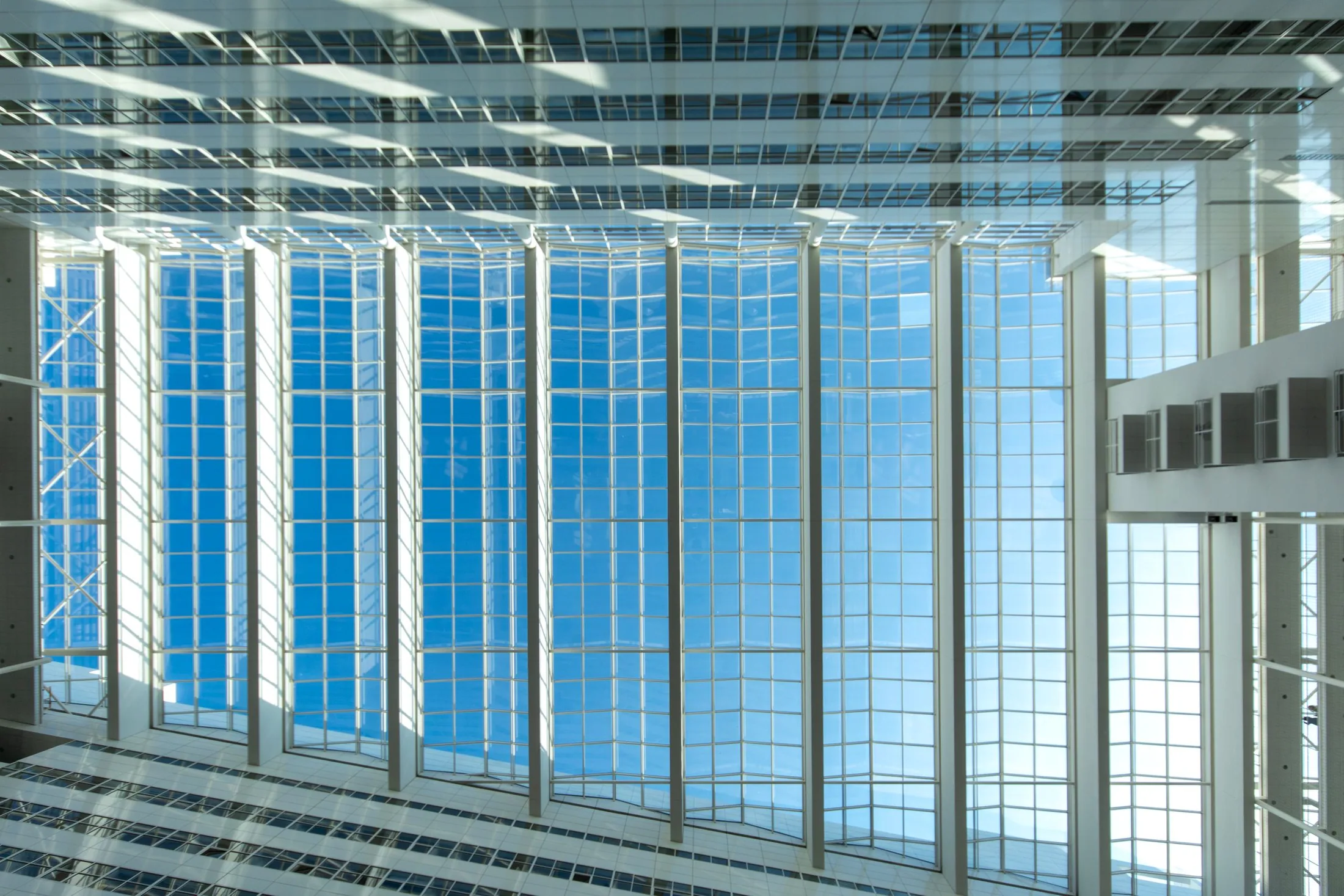
ROOF LANTERN DESIGN
Frequently Asked Questions
1. What is a roof lantern?
A roof lantern is a glazed roof structure, typically incorporating pitched glass panels supported by aluminium glazing bars, designed to introduce natural daylight into the space below. Roof lanterns are commonly installed on flat and low-pitched roofs and are suitable for residential extensions, commercial buildings, heritage properties and large architectural glazing projects.
2. Can roof lanterns be manufactured to bespoke sizes and designs?
Yes. Rooflights & Atriums specialises in bespoke roof lanterns designed to accommodate individual building requirements. Options include rectangular, square, hipped, dual-pitched, monopitch and more complex glazed configurations. The final design depends on the structural opening, roof geometry, glazing specification and supporting framework.
3. What is the difference between a roof lantern and a flat rooflight?
A flat rooflight typically features a low-profile glazed unit installed over a roof opening, whereas a roof lantern incorporates an elevated glazed structure with pitched or faceted glazing. Roof lanterns can provide a distinctive architectural feature and are particularly suitable for larger openings where a framed glazing system is required.
4. Can an existing roof lantern be replaced without altering the roof structure?
In many cases, yes. Existing roof lanterns can be replaced with modern, thermally efficient aluminium glazing systems while retaining suitable supporting steelwork or structural upstands. However, the existing structure must be surveyed and assessed for condition, load capacity, dimensional suitability and compliance with current design requirements.
Rooflights & Atriums has experience replacing ageing glazed roof lanterns on commercial, residential and heritage buildings throughout the UK.
5. Are aluminium roof lanterns thermally efficient?
Modern aluminium roof lanterns can achieve excellent thermal performance through the use of thermally broken glazing bars, insulated glass units, low-emissivity coatings and appropriate solar-control glazing.
Thermal performance depends on the complete roof lantern assembly, including the glazing, framing system, dimensions and installation details. Systems should be specified to meet the applicable Building Regulations and project performance requirements.
6. Can roof lanterns incorporate automatic opening vents (AOVs)?
Yes. Bespoke glazed roof lanterns can incorporate automatic opening vents for natural smoke ventilation where a suitable certified system is available.
Where an AOV forms part of a smoke-control strategy, the vent and its operating equipment must be specified to satisfy the relevant design requirements, including BS EN 12101-2 where applicable. Rooflights & Atriums can coordinate roof lantern glazing with specialist smoke ventilation systems and associated controls.
7. Are roof lanterns suitable for listed buildings and heritage refurbishment projects?
Yes, subject to the necessary conservation and planning approvals. Roof lantern replacement is frequently undertaken on historic and listed buildings where existing glazing has deteriorated or no longer meets the building's operational requirements.
Heritage roof lanterns may require carefully selected glazing bar profiles, sympathetic finishes and specialist detailing to preserve the architectural character of the building. Rooflights & Atriums has experience delivering specialist roof glazing and patent glazing refurbishment projects on Grade I and Grade II listed properties.
8. What glazing options are available for roof lanterns?
Roof lanterns can incorporate a range of glazing specifications depending on the building's requirements. Options may include toughened and laminated safety glass, double-glazed insulated units, solar-control coatings, low-emissivity glass and acoustic glazing.
The appropriate specification will depend on structural loading, thermal performance, solar gain, safety requirements, maintenance access and the intended use of the building.
9. Can large commercial roof lanterns be designed and installed?
Yes. Commercial roof lanterns can span substantial roof openings using purpose-designed aluminium glazing systems and suitable supporting structures.
Rooflights & Atriums undertakes the design, supply and installation of large glazed roof lanterns and atrium glazing for commercial, educational, leisure and heritage buildings, working alongside architects, structural engineers and main contractors to develop practical glazing solutions.
10. How long does roof lantern installation take?
Installation times depend on the size, complexity, access arrangements and condition of the existing roof structure.
A relatively straightforward residential roof lantern may be installed over a short period, while larger commercial or heritage roof lantern replacements can require detailed surveys, design coordination, specialist lifting operations and phased installation programmes.
Rooflights & Atriums assesses these requirements during the pre-construction process to establish a realistic installation methodology and programme.
11. Do you offer roof lantern design, supply and installation throughout the UK?
Yes. Rooflights & Atriums Ltd provides specialist roof lantern design, supply and installation services for projects throughout the United Kingdom.
We work with architects, developers, main contractors, commercial property owners and private clients, delivering both new-build roof lantern installations and the replacement or refurbishment of existing glazed roof structures.